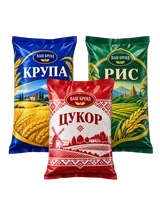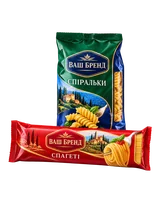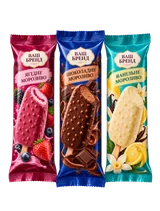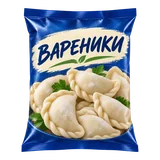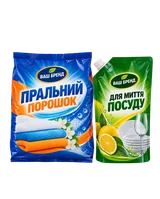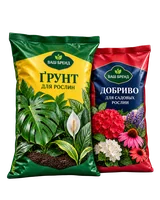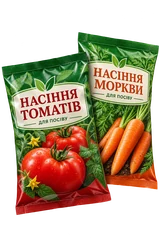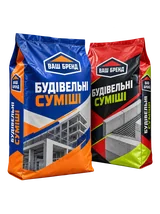
Flexible packaging
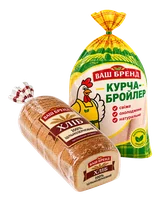
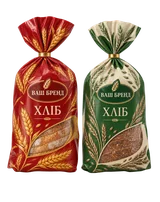
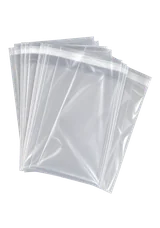
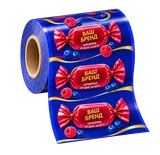
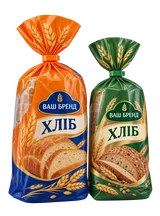
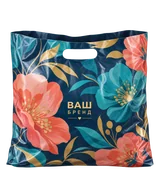
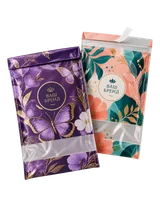
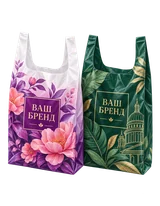
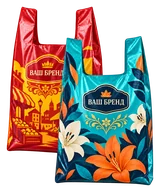
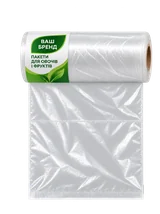
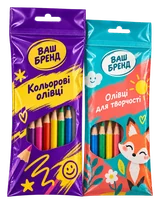
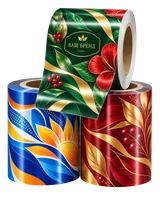
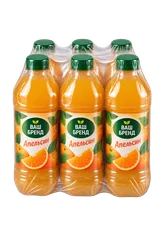
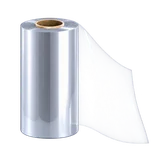
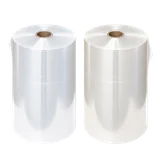
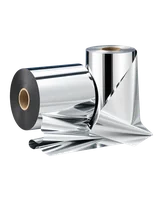
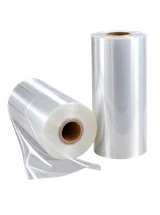
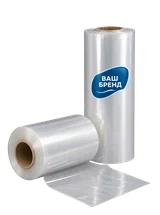
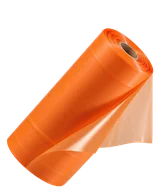
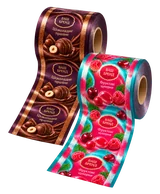
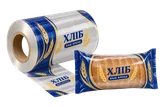
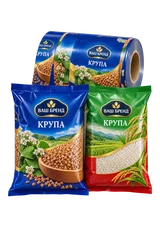
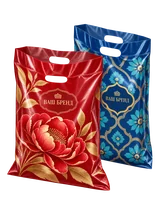
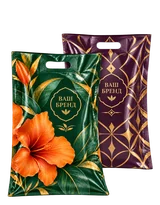
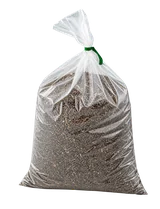
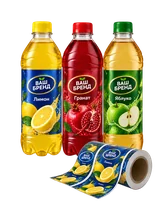
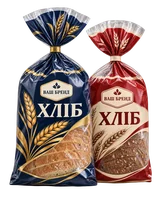
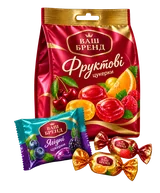
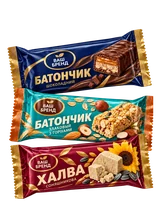
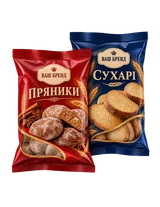
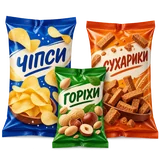
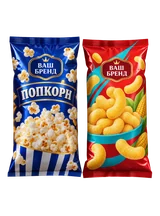
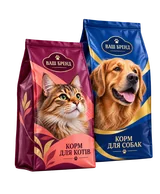
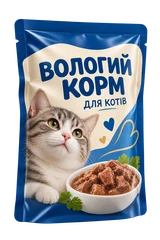
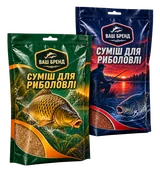
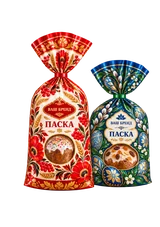
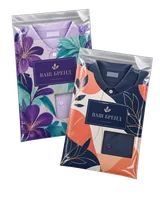
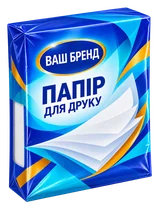
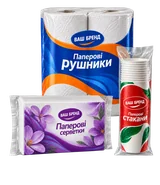
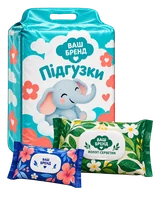
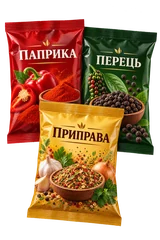
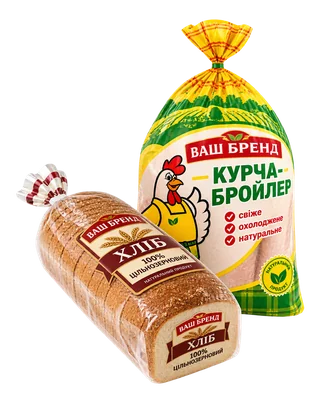
We manufacture bags and roll materials. Polyethylene, polypropylene, multilayer construction and printing are agreed for the product and filling process.
BagsFilm materialsPackaging by productProduction
MASTER-PACK’s production activities combine flexible packaging, flexographic printing, lamination and its own packaging/filling equipment models.
MASTER-PACK
We manufacture bags and roll materials. Polyethylene, polypropylene, multilayer construction and printing are agreed for the product and filling process.
BagsFilm materialsPackaging by product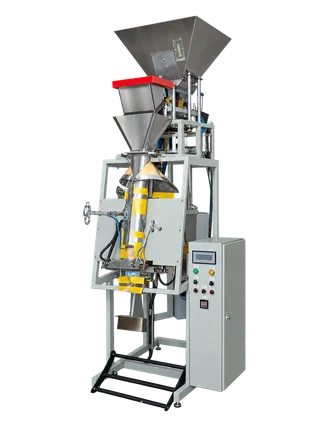
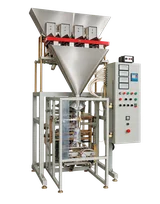
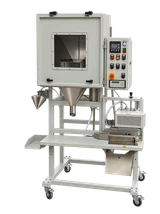
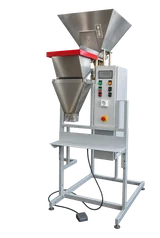
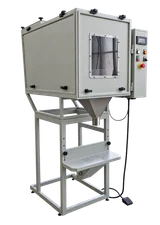
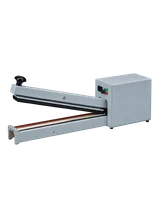
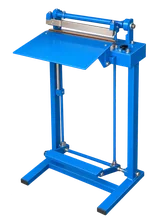
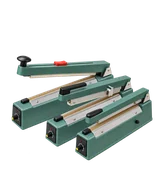
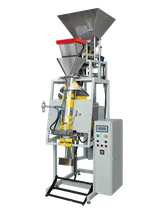
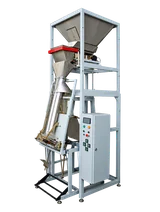
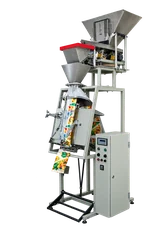
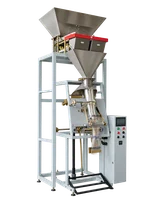
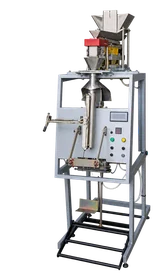
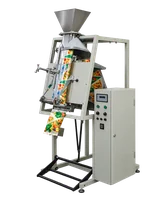
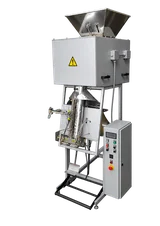
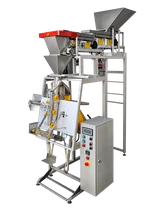
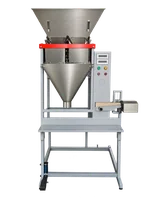
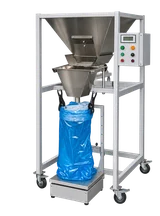
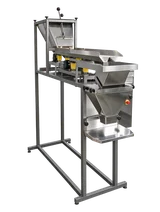
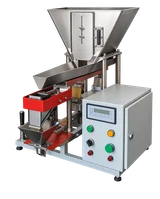
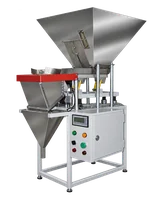
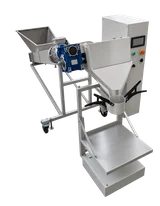
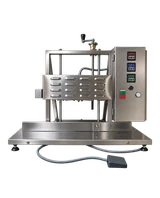
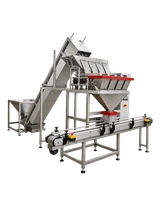
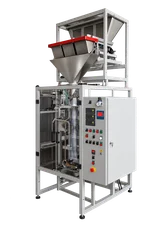
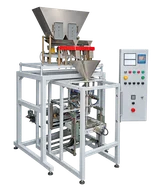
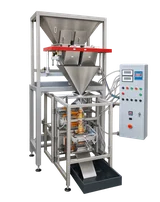
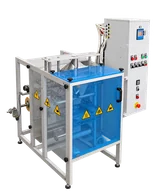
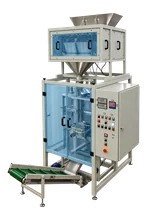
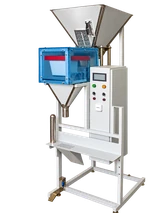
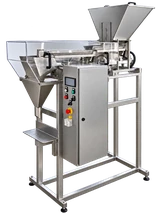
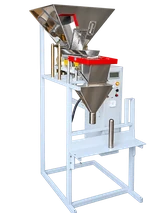
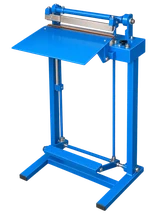
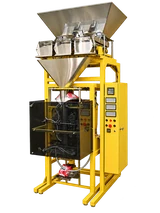
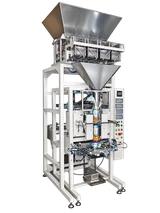
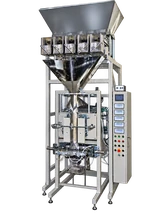
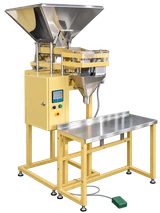
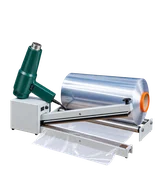
We manufacture automatic and semi-automatic MPPFO models and line components. Packing equipment and sealers are selected for the product, container and operator workflow.
Equipment and modelsOperations depend on the material and construction. Each order does not necessarily pass through every stage.
We clarify the product, dimensions, quantity and presentation. Working artwork or a sample helps agree the printing.
Polyethylene film uses blown extrusion: raw material melts, a tube is formed, cooled and wound.
Flexible printing plates transfer the image. Artwork and plate preparation determine the agreed print run’s appearance.
Where needed, layers are combined into a multilayer structure. Their properties and the print position depend on packaging requirements.
The material is prepared as a roll or a finished bag. Its format and use are agreed with the customer’s equipment.
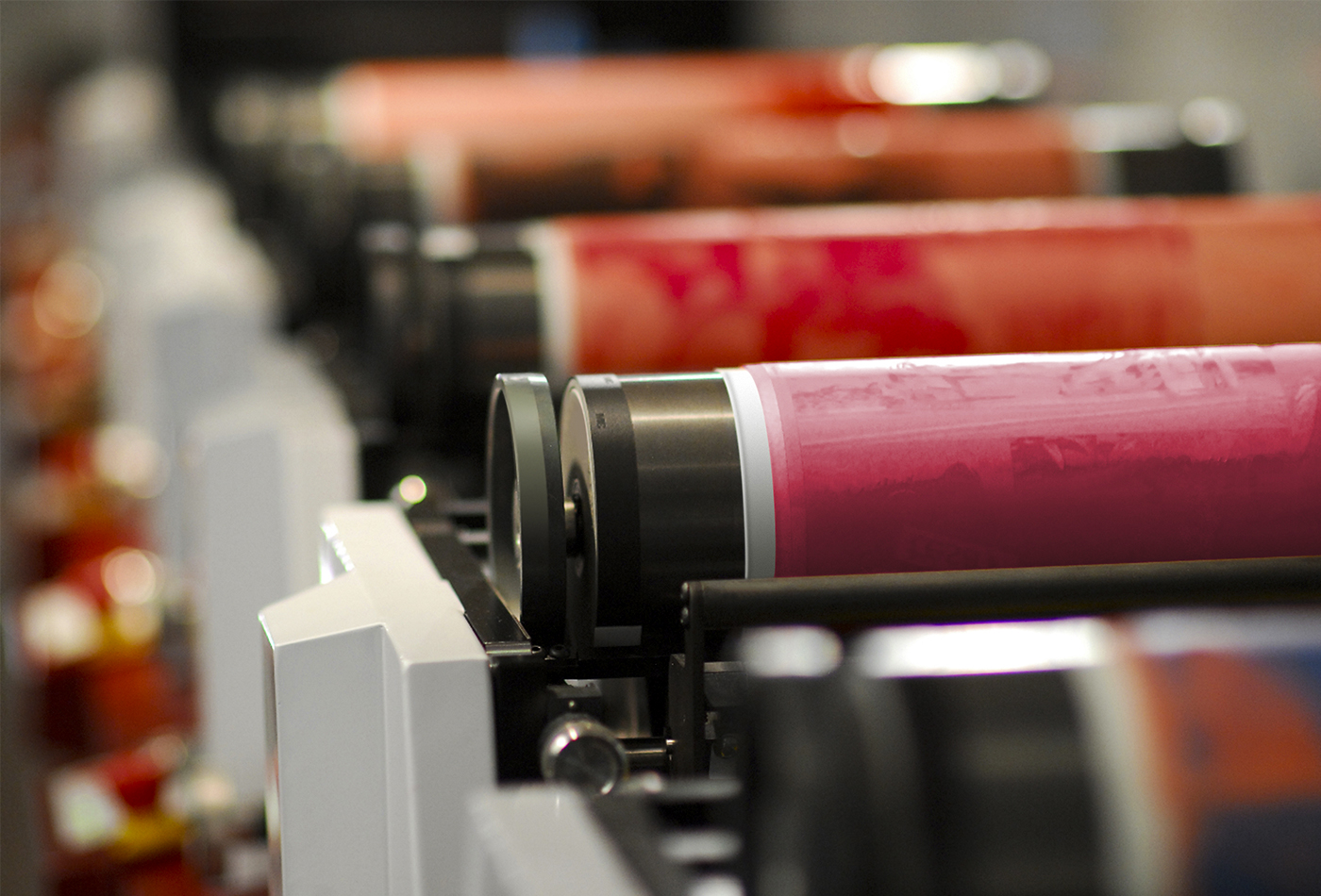
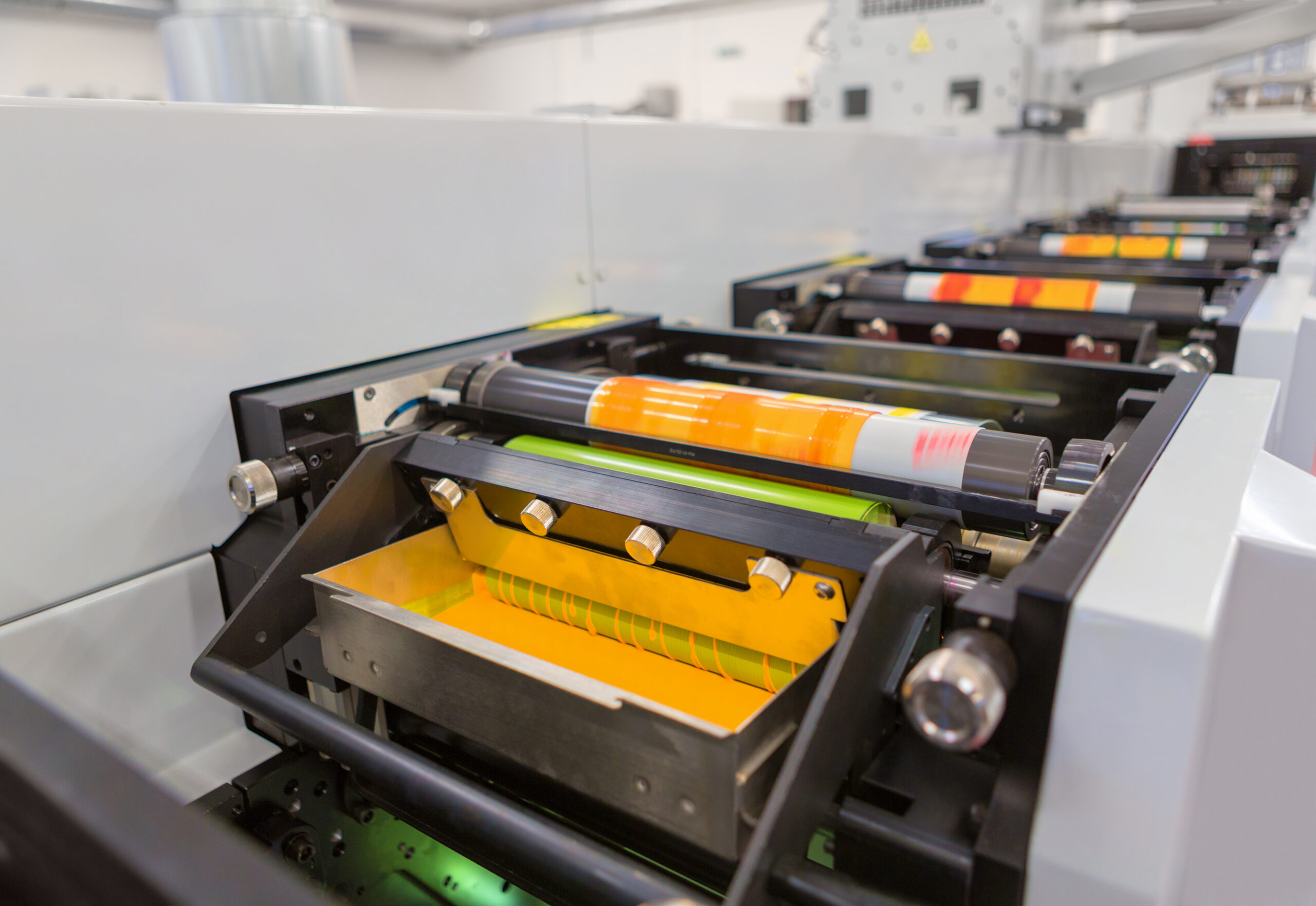
Flexography combines prepared artwork, printing plates and machine setup. Printing and subsequent processing are agreed for the specific construction.
Film materialsBag or film parameters are determined by the product, filling method, printing requirements and the customer’s equipment. Thickness, order quantity, lead time and other numerical parameters are confirmed for each specific order.
Flexographic printing and lamination are MASTER-PACK production capabilities. Detailed process capabilities and specific material structures are confirmed after the application has been described.
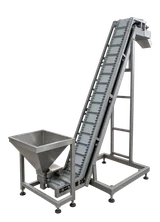
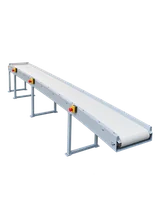
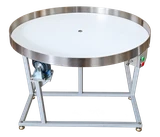
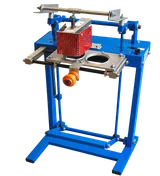
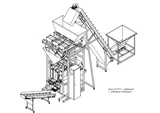
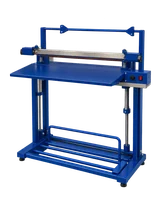
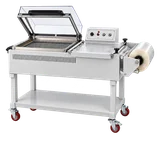
The catalogue includes automatic and semi-automatic MPPFO models, auxiliary conveyors, an accumulation table and sealing equipment. Current configuration, options and availability of a specific model are confirmed before ordering.
Polyethylene film uses blown extrusion: raw material melts, a tube is formed, cooled and wound.
Flexography uses flexible printing plates and is suitable for printing on film packaging materials. Preparing artwork specifically for the printing equipment is an important part of the process.
Lamination combines two or more materials into one structure. This allows the properties of different layers to be combined, while printing can be positioned between layers and protected from external exposure when the structure is designed accordingly.
Start with what you know. Missing artwork or an unknown thickness does not prevent an enquiry.
Product, dimensions, known thickness and quantity. For printing, provide working artwork; if it needs to be developed, include your preferred style and a reference or sample.
Product, portion weight, container format, existing equipment and the required operation. Add a model or packaging sample if available.
Send the known parameters, artwork or a sample.
We clarify the material, format or machine configuration and prepare a quotation.
Terms and timing are confirmed for the specific order.
Sales enquiry
Send a description of the product, packaging and production process, and our team will clarify the information needed to select a suitable solution.